Your Land. Your Legacy.

For over 10 years, our legacy has been about building yours.

Progressive Ag Products is your independent supplier of crop and soil health enhancement solutions.

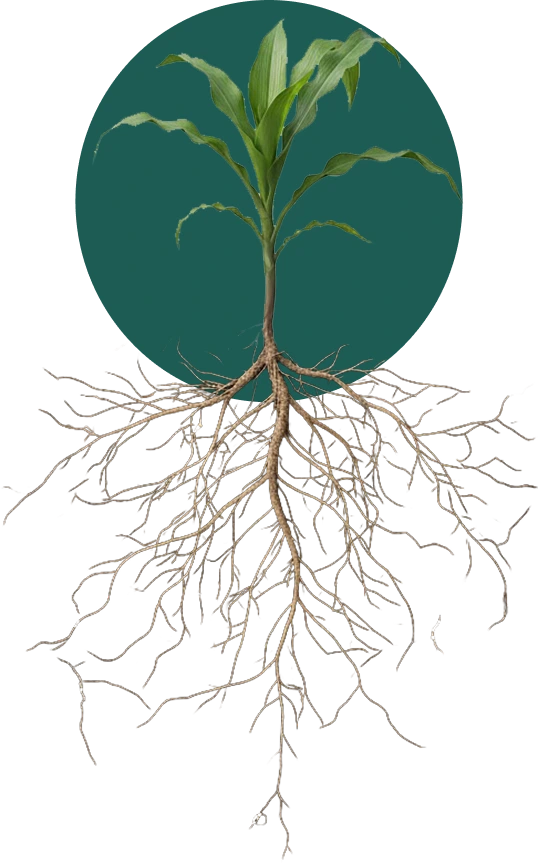
Building better soil from the ground up
Soil health, fertility, and yield—optimized.

You know your land better than anyone. You walk it, work it, and live with the decisions made on it every day. That’s why we don’t just sell products—we show up with boots on the ground, ready to understand what you’re working toward and what your soil is up against.

Building better soil from the ground up

You’re the grower.
We’re just here to 
help you win.

From the first conversation, we take the time to learn how your farm operates—your management style, crop rotations, fertility programs, and the soil conditions unique to your acres. We don’t bring a prepackaged solution. We bring our experience, our carbon-based tools, and a deep respect for your operation. Then we build a plan that fits.

Whether you’re fighting compaction, trying to stretch nitrogen without sacrificing yield, looking for ways to reduce dry fertilizer inputs, make nutrients more plant available, or simply wanting to hand off a stronger farm than the one you started with—we’ll help you get there with living, resilient soil at the center of it all.

Proud Member of Leading Ag Associations
ABOUT US

We’re driven by results, 
but rooted in relationships

As a family-owned company, we believe our work goes beyond the field — it’s about caring for the people who care for the land, and empowering the youth who represent agriculture’s future. Great farming isn’t just about the numbers at harvest — it’s about making decisions that serve your land, your family, and the next set of hands that will carry it forward.

We carry that responsibility forward by focusing on what matters most: helping farm families build operations that last. That means fewer wasted inputs, more resilient soils, and support that adapts to your goals year after year. Whether you’re thinking about your next harvest or the next generation, we’re here to help strengthen the foundation it all depends on — the soil.

$ 196K
Reinvested directly 
into our customers
750k+ACRES
utilizing our products each year
Multiple
National Corn and Wheat Grower Champions trust Progressive Ag Products (2018-present)
A lifetime in the soil — and still learning from it.
The hands behind Progressive Ag

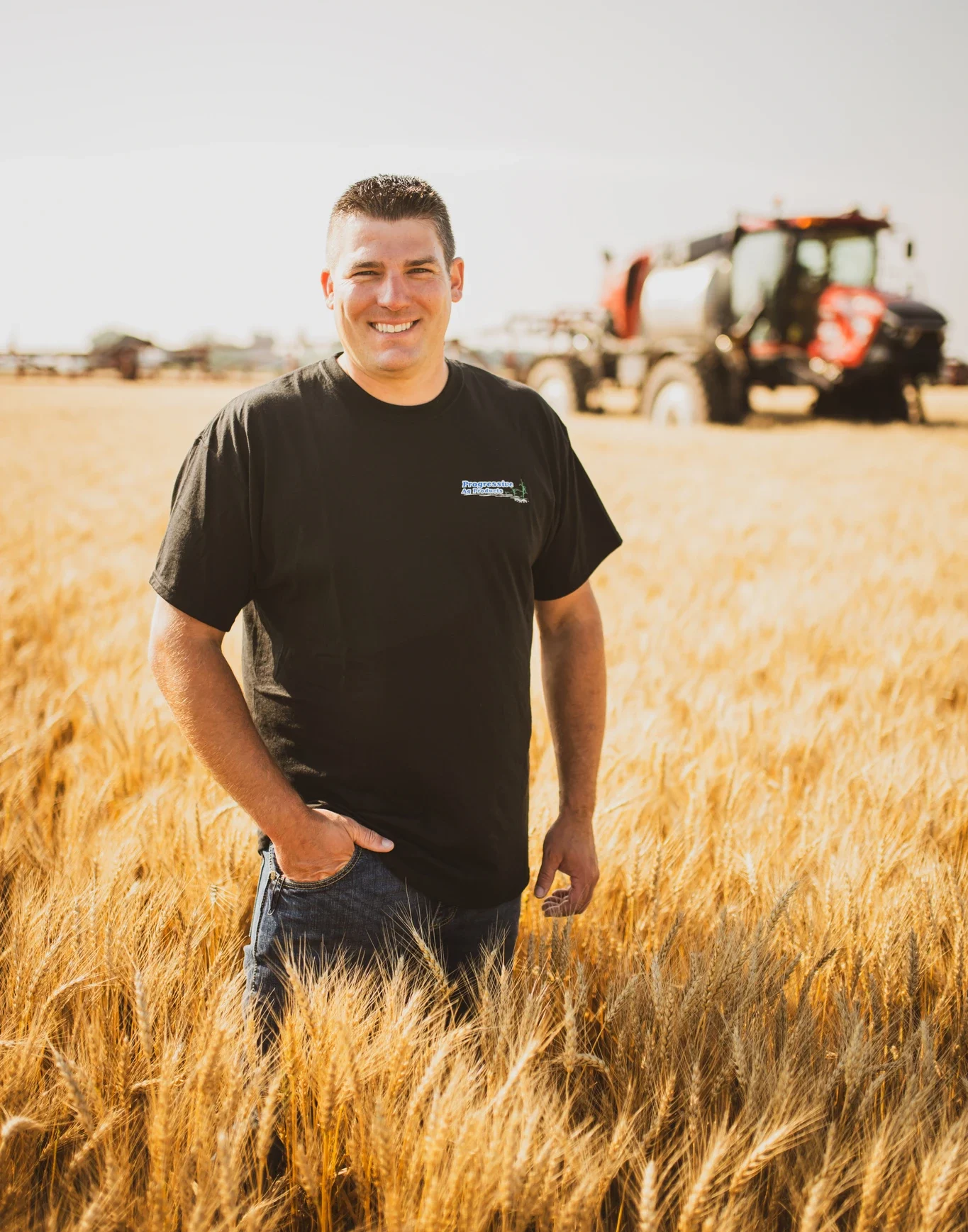
Nate Haler is a soil health consultant and the owner of Progressive Ag Products, an independent company that specializes in creating custom crop and soil health programs. 

For more than 12 years, Nate has helped farm families implement sustainable farming solutions by using biological soil amendments, carbon-based soil health practices, and soil fertility management strategies that he has proven time and time again.

Growing up in Hastings, Minnesota, Nate was raised on a row crop farm with a couple thousands acres. Farming became a lifelong passion, and Nate continues to farm today while supporting growers across the Northern Midwest.

He studied Crop and Soil Sciences at the University of Minnesota–Crookston and the University of Wisconsin–River Falls, and began his career as a Precision Ag Technician with Minnesota Ag Group before founding Progressive Ag Products in 2014.

Today, Nate is honored to work with the best growers spanning from Lake Michigan to western North Dakota, including multiple Top National Corn Growers Association winners (2018- present) and Top National Association of Wheat Growers (2022- present). 

As an agriculture consultant, Nate focuses on solutions that improve long-term soil function and crop performance. His programs often include humic acid soil benefits, low-salt fertilizers, bio-stimulants, Nano sugars, and nano micronutrients—all designed to build soil microbiology, improve structure, and increase resilience with stress mitigation.

Nate Haler, Founder, Progressive Ag Products

OUR PRODUCTS

Grow your best farm average

Biostimulants

Let’s help your crops get more out of the soil you already have. They work with the plant’s natural processes—helping roots grow deeper, nutrients become more available, and plants handle stress better. The end result is healthier crops, stronger yields, and more efficiency out of every acre.

Sugars

Our sugar products give your crop a quick source of energy while feeding beneficial microbes in the soil. They help plants raise glucose levels, stimulate microbial activity to support soil health, and enhance the absorption of essential minerals—leading to stronger, healthier growth.

Humics

Using humic products is like giving your soil a toolbox to work smarter. They help soils hold onto water and nutrients better, and buffer the soil so plants aren’t stressed out by heat, drought, or tricky pH swings. On top of that, they support beneficial microbes—so you see improved nutrient uptake and more consistent plant growth.

Fulvics

Fulvic products add natural plant hormones, vitamins, and trace minerals that help plants handle stress—like heat, drought, or rough soil. The result? Greener leaves, stronger roots, better uptake of everything the plant needs, and more resilient growth overall.

Micronutrients

Incorporating micronutrient packs ensure your crop has all the “spark plugs” it needs to fire on all cylinders. Even if you’ve got plenty of NPK out there, corn can stall out if it’s short on trace elements like zinc, manganese, or boron. A good micropack fills in those gaps, so plants can take up and use the big nutrients more efficiently with less stress. That means stronger stands, healthier growth through the season, and more yield potential at harvest.

Liquid Fertilizers

With low use rates and high efficiency, these products make sure key nutrients don’t get locked up in the soil but stay available when the crop needs them most. That means better root development early on, stronger growth above ground, and more return on every pound of fertilizer you put out. We’re a dealer for liquid plumbing parts and tanks, we can help you with both the products and the equipment you need to run them smoothly on your operation.

Our Locations

With personal roots spanning Minnesota, North Dakota, and Wisconsin, Nate brings a strong regional perspective to the growers he works with. Raised in Minnesota, accustomed to North Dakota pheasant country, and living in eastern Wisconsin with his wife, he understands the landscapes and farming practices across the Upper Midwest.

FAQs

Answers to the questions we hear most from growers like you.

How can I manage moisture better in heavy clay or poorly drained soils?

If you’ve farmed long enough, you’ve seen that field.

The one where the water just… sits.

Pooling in the same low pockets every year.

The soil turns shiny and tight, and the plants tell the story before you even walk it—short, pale, yellow, and already behind. You know those drowned-out spots are going to drag down your yield map no matter what the season does.

Most folks try tillage first.

Rip it deeper. Work it earlier. Work it later.

But the truth is, in a heavy clay or poorly drained soil, tillage doesn’t “fix” the profile—it just reshuffles the deck. The surface tension stays high, the pores stay tight, and when the next rain comes, the water sits right back on top like nothing changed.

That’s where biology-friendly amendments come in.
In fields like these, we reach for humates and non-ionic soil surfactants.

Humates act like natural conditioners—they flocculate clay particles, open up the profile, and help build a better soil structure over time. The non-ionic surfactant reduces surface tension so water can actually enter and move through the soil instead of beading and ponding on top.

It’s subtle at first.

You notice that the next rain doesn’t leave quite as many puddles.

The soil surface starts to look different—less shiny, less “sealed.”

Honestly, it can look a little duller, and farmers sometimes ask, “Is that… good?”

Yes. That duller look is a win.

It means the soil is mellowing—ditching that tight, reflective crust and becoming a profile water can filter through rather than sit on. It means better aeration, stronger roots, less stress. And eventually, those drowned-out yellow patches? They start disappearing from the map.

Because at the end of the season, the yield results replace the shine you lost.

Better infiltration. Better plant health. Fewer headaches after every rain.

That’s how we manage moisture in heavy clay—by working with the soil, not just working it.
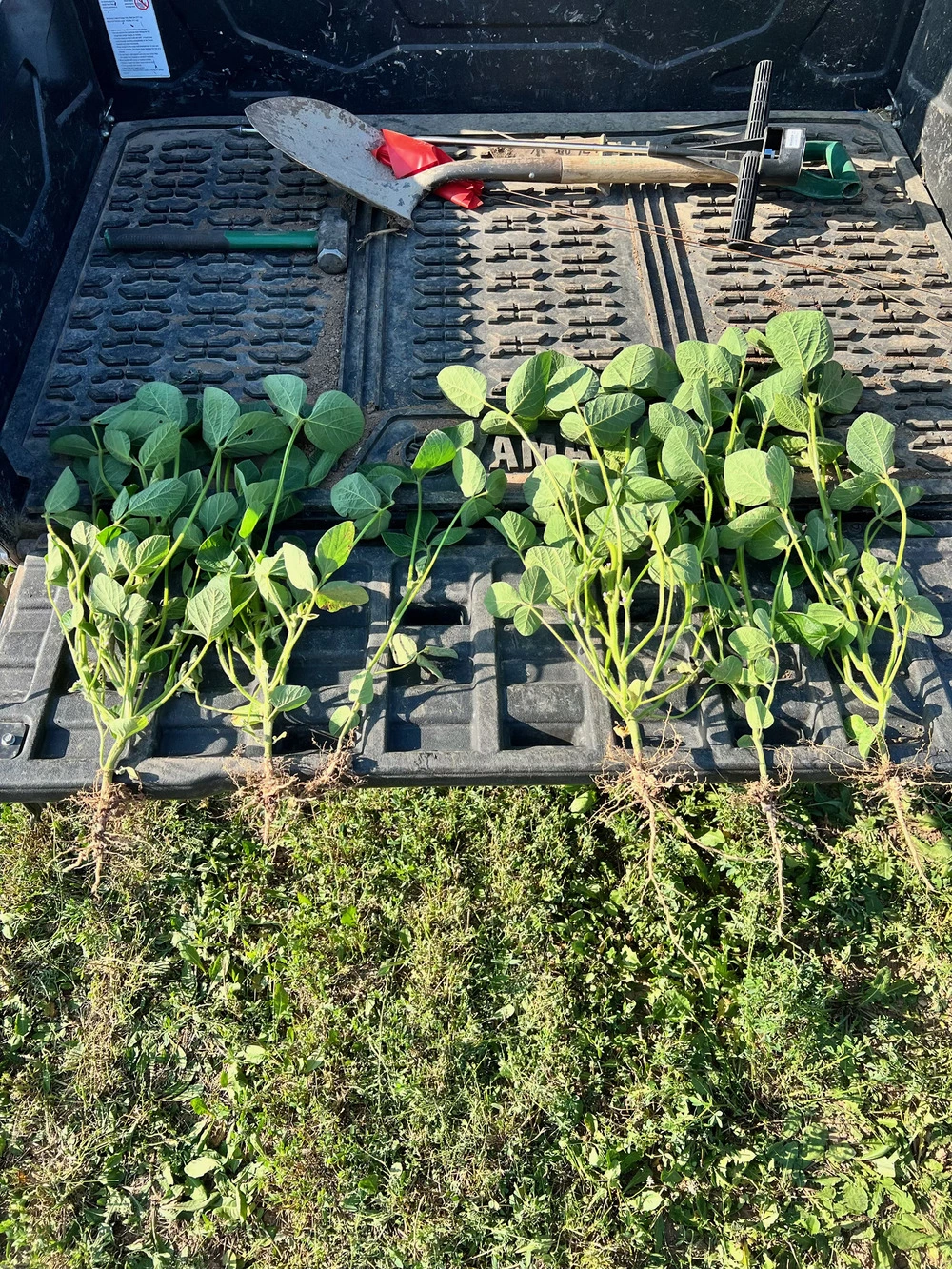
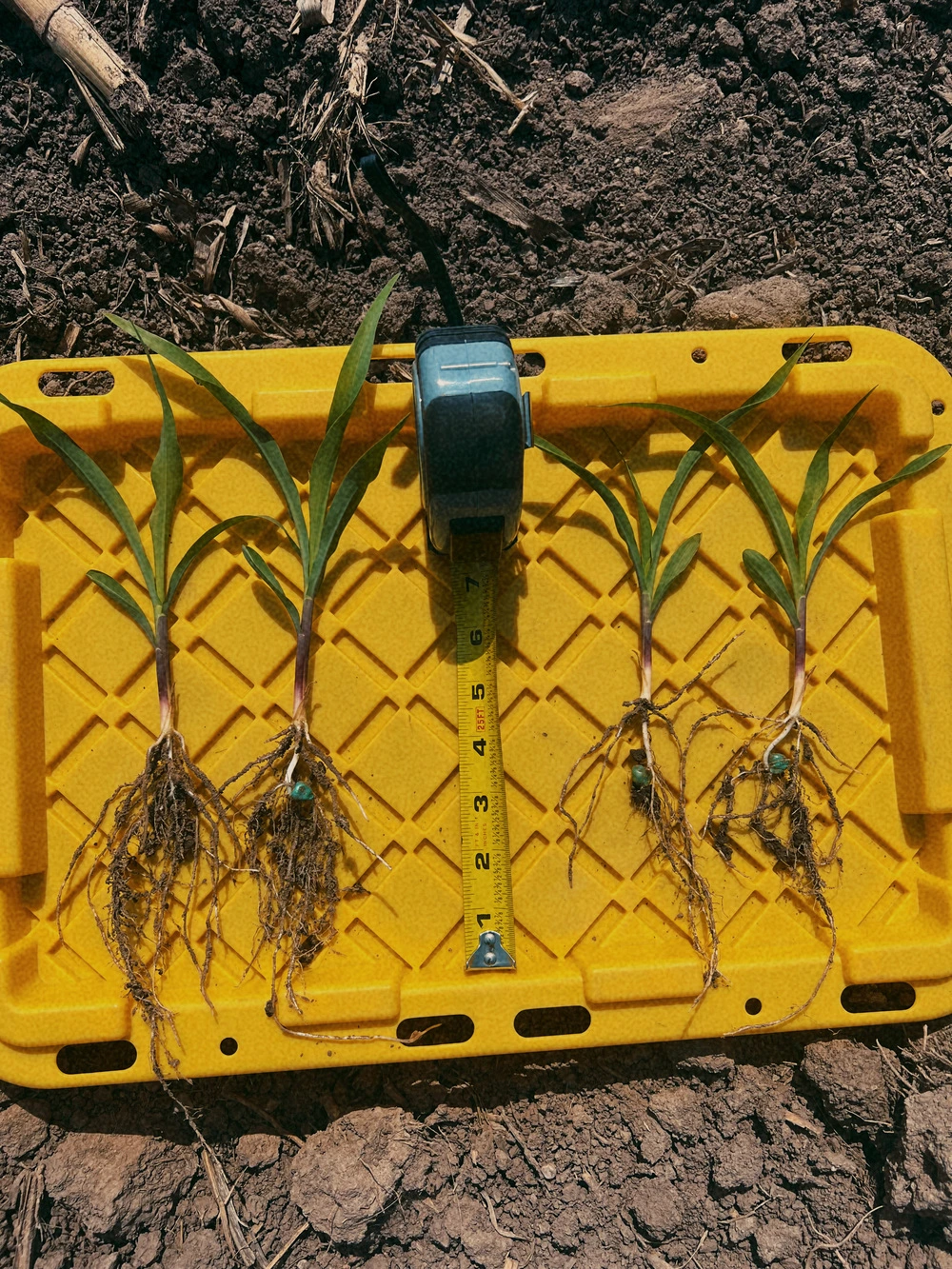
We often call this “hatchet roots.”

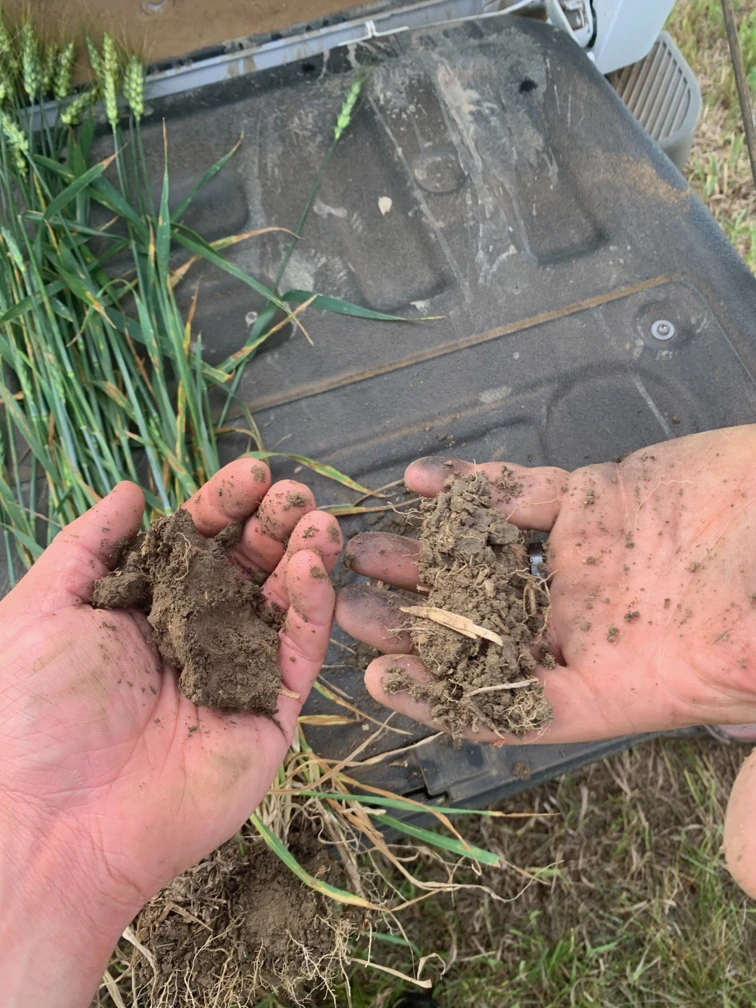
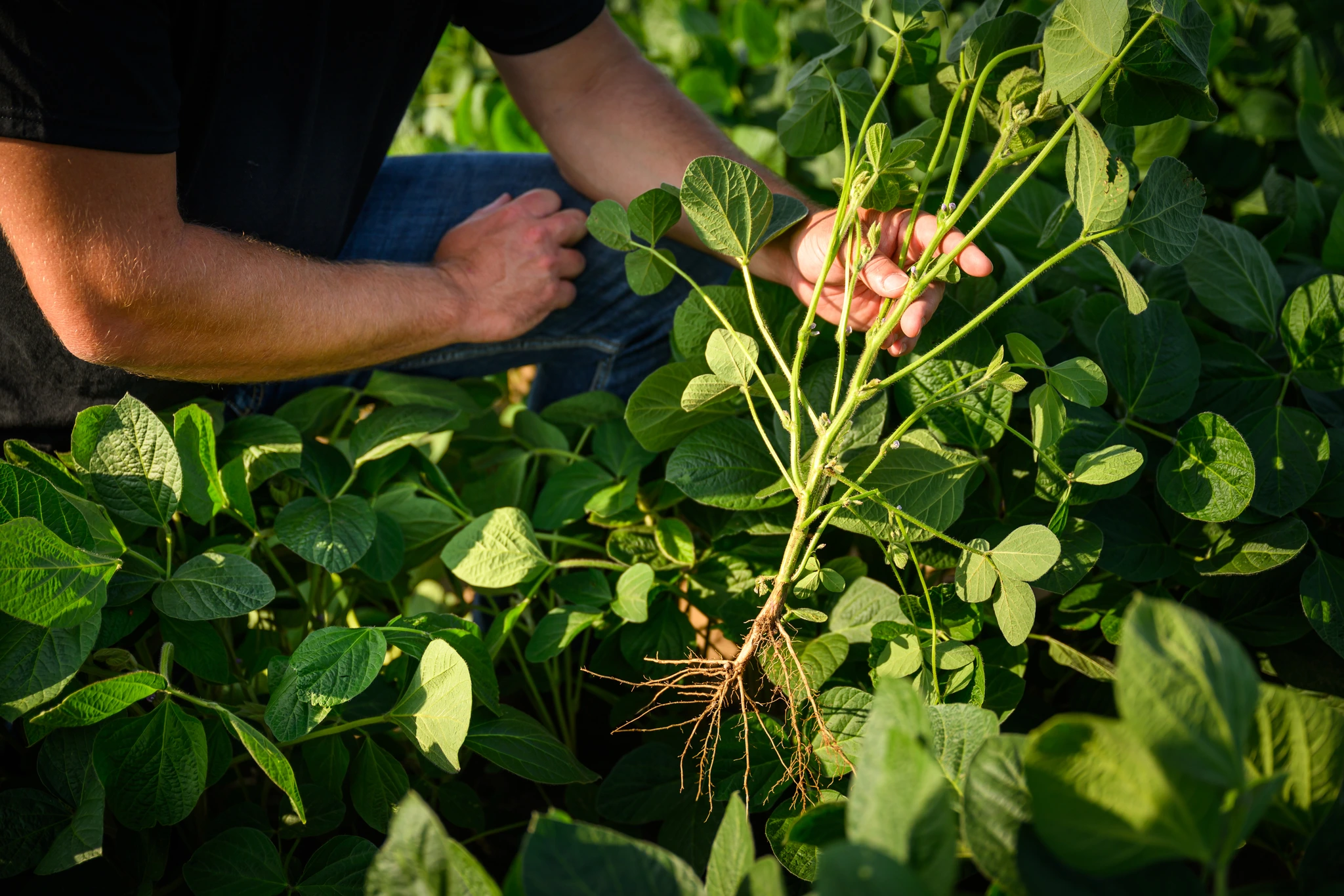
Earlier this season, I walked a field with a grower who had no idea anything was wrong. We dug up a plant and the truth was right there in our hands—almost no root mass. The roots weren’t spreading; they were trapped, growing flat and horizontal, tucked tight in the seed trench instead of exploring the soil. Classic hatchet roots. Classic sidewall compaction. And something we see all the time in no-till practices.

That’s where humics and biostimulants earn their keep.

They boost early vigor, help the plant push through that smeared seed zone, and encourage a stronger, deeper, more aggressive root system. When the roots break out of the trench early, emergence improves, stress drops, and the plant is off to a much better start.

Short answer?

Yes—humics and biologicals absolutely help corn push through sidewall compaction and emerge stronger.

Honestly—yes. And we get this question all the time.

“How much can it really change?”

Let me break it down.

When you improve soil health and soil efficiency, you’re building a profile that naturally grows a stronger, more resilient plant. Better structure, better nutrient flow, better root development—biology is the engine that makes all of that work.

And I’m lucky. I get to work with sharp growers—dairy farmers, crop farmers, people who pay attention, who run the numbers, who do their homework. So when they notice something, it’s real.

A large operation up in Minnesota started with me in 2023. First year. Same fields, same equipment, same weather curveballs… but with biology working in their favor.

Their message to me at the end of the season?

They wanted to know if I offered in-house financing for next year—because they were ready to expand the program.

Improving soil biology isn’t guesswork. It’s compounding results, and when the crop responds, the yield map tells the truth.

How can I manage moisture better in heavy clay or poorly drained soils?

If you’ve farmed long enough, you’ve seen that field.

The one where the water just… sits.

Pooling in the same low pockets every year.

The soil turns shiny and tight, and the plants tell the story before you even walk it—short, pale, yellow, and already behind. You know those drowned-out spots are going to drag down your yield map no matter what the season does.

Most folks try tillage first.

Rip it deeper. Work it earlier. Work it later.

But the truth is, in a heavy clay or poorly drained soil, tillage doesn’t “fix” the profile—it just reshuffles the deck. The surface tension stays high, the pores stay tight, and when the next rain comes, the water sits right back on top like nothing changed.

That’s where biology-friendly amendments come in.
In fields like these, we reach for humates and non-ionic soil surfactants.

Humates act like natural conditioners—they flocculate clay particles, open up the profile, and help build a better soil structure over time. The non-ionic surfactant reduces surface tension so water can actually enter and move through the soil instead of beading and ponding on top.

It’s subtle at first.

You notice that the next rain doesn’t leave quite as many puddles.

The soil surface starts to look different—less shiny, less “sealed.”

Honestly, it can look a little duller, and farmers sometimes ask, “Is that… good?”

Yes. That duller look is a win.

It means the soil is mellowing—ditching that tight, reflective crust and becoming a profile water can filter through rather than sit on. It means better aeration, stronger roots, less stress. And eventually, those drowned-out yellow patches? They start disappearing from the map.

Because at the end of the season, the yield results replace the shine you lost.

Better infiltration. Better plant health. Fewer headaches after every rain.

That’s how we manage moisture in heavy clay—by working with the soil, not just working it.
We often call this “hatchet roots.”

Earlier this season, I walked a field with a grower who had no idea anything was wrong. We dug up a plant and the truth was right there in our hands—almost no root mass. The roots weren’t spreading; they were trapped, growing flat and horizontal, tucked tight in the seed trench instead of exploring the soil. Classic hatchet roots. Classic sidewall compaction. And something we see all the time in no-till practices.

That’s where humics and biostimulants earn their keep.

They boost early vigor, help the plant push through that smeared seed zone, and encourage a stronger, deeper, more aggressive root system. When the roots break out of the trench early, emergence improves, stress drops, and the plant is off to a much better start.

Short answer?

Yes—humics and biologicals absolutely help corn push through sidewall compaction and emerge stronger.

Honestly—yes. And we get this question all the time.

“How much can it really change?”

Let me break it down.

When you improve soil health and soil efficiency, you’re building a profile that naturally grows a stronger, more resilient plant. Better structure, better nutrient flow, better root development—biology is the engine that makes all of that work.

And I’m lucky. I get to work with sharp growers—dairy farmers, crop farmers, people who pay attention, who run the numbers, who do their homework. So when they notice something, it’s real.

A large operation up in Minnesota started with me in 2023. First year. Same fields, same equipment, same weather curveballs… but with biology working in their favor.

Their message to me at the end of the season?

They wanted to know if I offered in-house financing for next year—because they were ready to expand the program.

Improving soil biology isn’t guesswork. It’s compounding results, and when the crop responds, the yield map tells the truth.

Better Farming Starts Below the Surface.
Let’s Talk.

Get in touch

Let us know what you’re working on and how we can help.

"*" indicates required fields

What are you currently growing? (Choose all that apply)